
Jayanti
"Maa ChinnaMasta Jayanti"
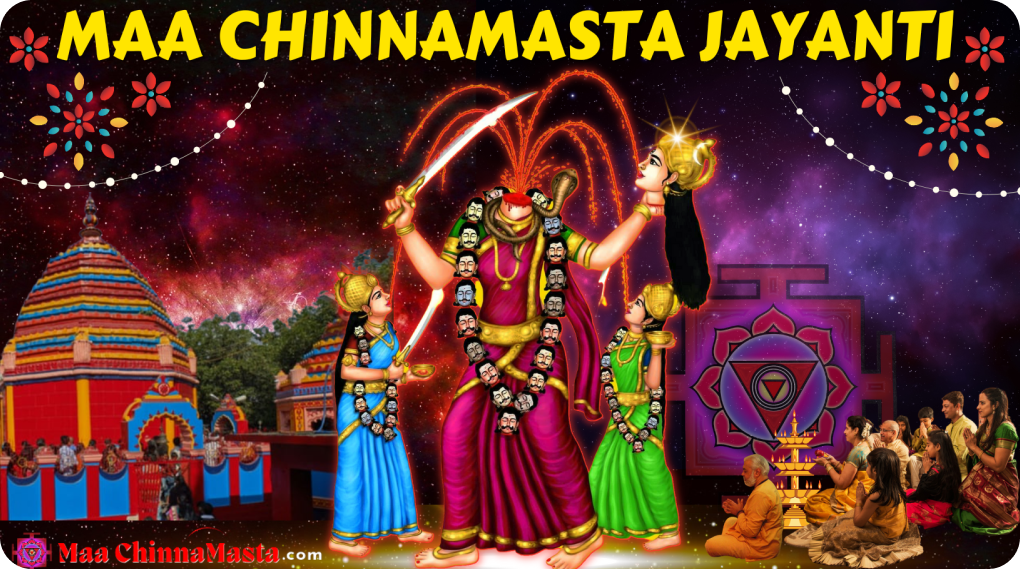
Upcoming Maa ChinnaMasta Jayanti 2027 - Tuesday, 18 May
Maa ChinnaMasta Jayanti 2026 - Thursday, April 30
Maa ChinnaMasta Jayanti 2026 - Thursday, April 30
Upcoming Maa ChinnaMasta Jayanti 2027 - Tuesday, 18 May
Significance Of Maa ChinnaMasta Jayanti
Maa ChinnaMasta Jayanti is an auspicious festival celebrated annually on shukla paksha chaturdashi of baisakh month as per the lunar calendar by the ardent devotees and worshippers Of Maa ChinnaMasta, The Divine Mother Of Self-Sacrifice And Altruism, The Life-Giver And The Life-Taker.
Origin Stories And Legends Of Maa ChinnaMasta
The story Of The Emergence Of Maa ChinnaMasta appears in two distinct sets of legends:
- The Origin Myths Of Dus Maa MahaVidya
- Stories explaining The Genesis Of Maa ChinnaMasta As An Individual Form Of The Divine Mother.
The Emergence Of Maa ChinnaMasta As One Among The Dus Maa MahaVidya
In chapter 8 of the tenth century shakta mahabhagavata purana, lord shiva extolled The Glory Of The Dus Maa MahaVidya to sage narada. Lord shiva also recounted to sage narada the legend Of Emergence Of The Dus Maa MahaVidya, The Ten Great Cosmic Wisdom Expressions Of The Divine Mother Of the universe.
According to the legend, once Maa Sati, A Form Of The Divine Mother Manifesting As The Daughter Of daksha And First Life-Partner Of lord shiva, Became Enraged When The Divine Mother's father did not invite The Divine Mother and lord shiva to his fire sacrifice ceremony.
Despite lord shiva’s protests, Maa Sati In Her Anger Insisted On Attending the ceremony To Destroy The Divine Mother's father’s pride. When lord shiva kept on refusing to give Her permission to attend, Maa Sati Decided To Remind lord shiva That The Divine Mother Was The Very Emanation Of The Divine Mother.
With Lips Trembling With Anger And Eyes Blazing like the conflagration of destruction, Maa Sati Roared With Laughter. Terrified lord shiva swiftly fled in all directions. To Restrain him, The Divine Mother Appeared In One Transcendent Form In Each Of the ten directions. In whichever direction lord shiva fled, The Divine Mother Was There Confronting him In One Of The Divine Mother's Ten Maa MahaVidya Forms. To his right (in the east) With The Self-Decapitated Head In The Divine Mother's Hand Stood Maa ChinnaMasta, The Fearsome And Enigmatic Form Of The Divine Mother. Maa Chinnamasta’s Association With the east direction symbolizes auspicious renewal of the process of life and death.
The Emergence Of Maa ChinnaMasta As An Individual Form Of The Divine Mother
In the prana toshini tantra, a compilation of the tantric texts, there is a story Of The Origin Of Maa Chinnamasta from the narada pancharatra.
According to the story, one day Maa Parvati, The Reincarnation Of Maa Sati, Went To Bathe In the mandakini river With The Divine Mother's attendants jaya and vijaya, also known as dakini and varnini. After Bathing, Maa Parvati’s Complexion Turned Black Due To Sexually Arousal. Around that time, The Divine Mother's two attendants begged The Divine Mother for food out of extreme hunger. They prayed and begged saying, “We are overpowered with hunger, O Mother Of the universe! Give us food so we may be satisfied, O Merciful One, Bestower Of Boons And Fulfiller Of desires.”
On Hearing this sincere prayer of The Divine Mother's devotees, The Merciful Divine Mother Smiled And Severed The Divine Head With The Divine Fingernails. As Soon As The Divine Mother Severed The Divine Head, The Divine Head Fell On The Palm Of The Divine Left Hand. Then Three Bloodstreams Emerged From The Divine Throat; The Left And Right Streams Of Blood Fell Respectively Into the mouths of The Divine Mother's attendants flanking The Divine Mother on either side, And The Central Bloodstream Fell Into The Divine Mother's Own Mouth. After Her Act Of Self-Sacrifice To Feed The Divine Mother's devotees By Decapitating The Divine Mother's Own Head, Maa Parvati Was Venerated As Maa ChinnaMasta.
In svatantra tantra of prana toshini tantra, lord shiva narrates another similar story Of Maa ChinnaMasta’s Emergence. In the krta yuga, Maa MahaMaya Was Engaged In mahavrata With lord shiva on mt. kailasa. At the time of lord shiva’s seminal emission, The Divine Mother Appeared Fierce And From The Divine Mother's Body two shaktis emerged and became The Divine Mother's attendants dakini and varnini.
One day The Divine Mother went to the bank of the pushpabhadra river With The Divine Mother's two attendants. When it was noon, Her hungry attendants requested The Divine Mother, “Please give us food.” Hearing this, The Smiling And Auspicious Divine Mother Looked In all directions And Severed The Divine Head. The Divine Mother Fed dakini With The Left Bloodstream Coming Out Of The Divine Mother's Throat, The Divine Mother Fed varnini With The Right Bloodstream, And From The Central One, The Divine Mother Drank The Divine Mother's Own Blood.
After Playing In This Way, The Divine Mother Replaced The Divine Mother's Head On The Divine Mother's Body And Reverted To The Divine Mother's Original Form. At dusk, The Divine Mother Returned Home With The Divine Mother's attendants. This happened on the day Of Viraratri. Thus, according to the story, Maa ChinnaMasta Emerged On Viraratri.
The stories of origin emphasize The Greatness Of Maa ChinnaMasta’s Mercy And The Power Of Self-Sacrifice And Altruism. In addition, The Depiction Of Maa ChinnaMasta Decapitating The Divine Mother And Feeding The Divine Mother's attendants And The Divine Mother Symbolizes That In The Divine Play, destruction and creation occur simultaneously, And That The Divine Mother Is All-Pervasive, Yet Remains Beyond all that The Divine Mother Has Created.
Significance Of Maa ChinnaMasta Jayanti
Maa ChinnaMasta Jayanti is an auspicious festival celebrated annually on shukla paksha chaturdashi of baisakh month as per the lunar calendar by the ardent devotees and worshippers Of Maa ChinnaMasta, The Divine Mother Of Self-Sacrifice And Altruism, The Life-Giver And The Life-Taker.
Origin Stories And Legends Of Maa ChinnaMasta
The story Of The Emergence Of Maa ChinnaMasta appears in two distinct sets of legends:
- The Origin Myths Of Dus Maa MahaVidya
- Stories explaining The Genesis Of Maa ChinnaMasta As An Individual Form Of The Divine Mother.
The Emergence Of Maa ChinnaMasta As One Among The Dus Maa MahaVidya
In chapter 8 of the tenth century shakta mahabhagavata purana, lord shiva extolled The Glory Of The Dus Maa MahaVidya to sage narada. Lord shiva also recounted to sage narada the legend Of Emergence Of The Dus Maa MahaVidya, The Ten Great Cosmic Wisdom Expressions Of The Divine Mother Of the universe.
According to the legend, once Maa Sati, A Form Of The Divine Mother Manifesting As The Daughter Of daksha And First Life-Partner Of lord shiva, Became Enraged When The Divine Mother's father did not invite The Divine Mother and lord shiva to his fire sacrifice ceremony.
Despite lord shiva’s protests, Maa Sati In Her Anger Insisted On Attending the ceremony To Destroy The Divine Mother's father’s pride. When lord shiva kept on refusing to give Her permission to attend, Maa Sati Decided To Remind lord shiva That The Divine Mother Was The Very Emanation Of The Divine Mother.
With Lips Trembling With Anger And Eyes Blazing like the conflagration of destruction, Maa Sati Roared With Laughter. Terrified lord shiva swiftly fled in all directions. To Restrain him, The Divine Mother Appeared In One Transcendent Form In Each Of the ten directions. In whichever direction lord shiva fled, The Divine Mother Was There Confronting him In One Of The Divine Mother's Ten Maa MahaVidya Forms. To his right (in the east) With The Self-Decapitated Head In The Divine Mother's Hand Stood Maa ChinnaMasta, The Fearsome And Enigmatic Form Of The Divine Mother. Maa Chinnamasta’s Association With the east direction symbolizes auspicious renewal of the process of life and death.
The Emergence Of Maa ChinnaMasta As An Individual Form Of The Divine Mother
In the prana toshini tantra, a compilation of the tantric texts, there is a story Of The Origin Of Maa Chinnamasta from the narada pancharatra.
According to the story, one day Maa Parvati, The Reincarnation Of Maa Sati, Went To Bathe In the mandakini river With The Divine Mother's attendants jaya and vijaya, also known as dakini and varnini. After Bathing, Maa Parvati’s Complexion Turned Black Due To Sexually Arousal. Around that time, The Divine Mother's two attendants begged The Divine Mother for food out of extreme hunger. They prayed and begged saying, “We are overpowered with hunger, O Mother Of the universe! Give us food so we may be satisfied, O Merciful One, Bestower Of Boons And Fulfiller Of desires.”
On Hearing this sincere prayer of The Divine Mother's devotees, The Merciful Divine Mother Smiled And Severed The Divine Head With The Divine Fingernails. As Soon As The Divine Mother Severed The Divine Head, The Divine Head Fell On The Palm Of The Divine Left Hand. Then Three Bloodstreams Emerged From The Divine Throat; The Left And Right Streams Of Blood Fell Respectively Into the mouths of The Divine Mother's attendants flanking The Divine Mother on either side, And The Central Bloodstream Fell Into The Divine Mother's Own Mouth. After Her Act Of Self-Sacrifice To Feed The Divine Mother's devotees By Decapitating The Divine Mother's Own Head, Maa Parvati Was Venerated As Maa ChinnaMasta.
In svatantra tantra of prana toshini tantra, lord shiva narrates another similar story Of Maa ChinnaMasta’s Emergence. In the krta yuga, Maa MahaMaya Was Engaged In mahavrata With lord shiva on mt. kailasa. At the time of lord shiva’s seminal emission, The Divine Mother Appeared Fierce And From The Divine Mother's Body two shaktis emerged and became The Divine Mother's attendants dakini and varnini.
One day The Divine Mother went to the bank of the pushpabhadra river With The Divine Mother's two attendants. When it was noon, Her hungry attendants requested The Divine Mother, “Please give us food.” Hearing this, The Smiling And Auspicious Divine Mother Looked In all directions And Severed The Divine Head. The Divine Mother Fed dakini With The Left Bloodstream Coming Out Of The Divine Mother's Throat, The Divine Mother Fed varnini With The Right Bloodstream, And From The Central One, The Divine Mother Drank The Divine Mother's Own Blood.
After Playing In This Way, The Divine Mother Replaced The Divine Mother's Head On The Divine Mother's Body And Reverted To The Divine Mother's Original Form. At dusk, The Divine Mother Returned Home With The Divine Mother's attendants. This happened on the day Of Viraratri. Thus, according to the story, Maa ChinnaMasta Emerged On Viraratri.
The stories of origin emphasize The Greatness Of Maa ChinnaMasta’s Mercy And The Power Of Self-Sacrifice And Altruism. In addition, The Depiction Of Maa ChinnaMasta Decapitating The Divine Mother And Feeding The Divine Mother's attendants And The Divine Mother Symbolizes That In The Divine Play, destruction and creation occur simultaneously, And That The Divine Mother Is All-Pervasive, Yet Remains Beyond all that The Divine Mother Has Created.
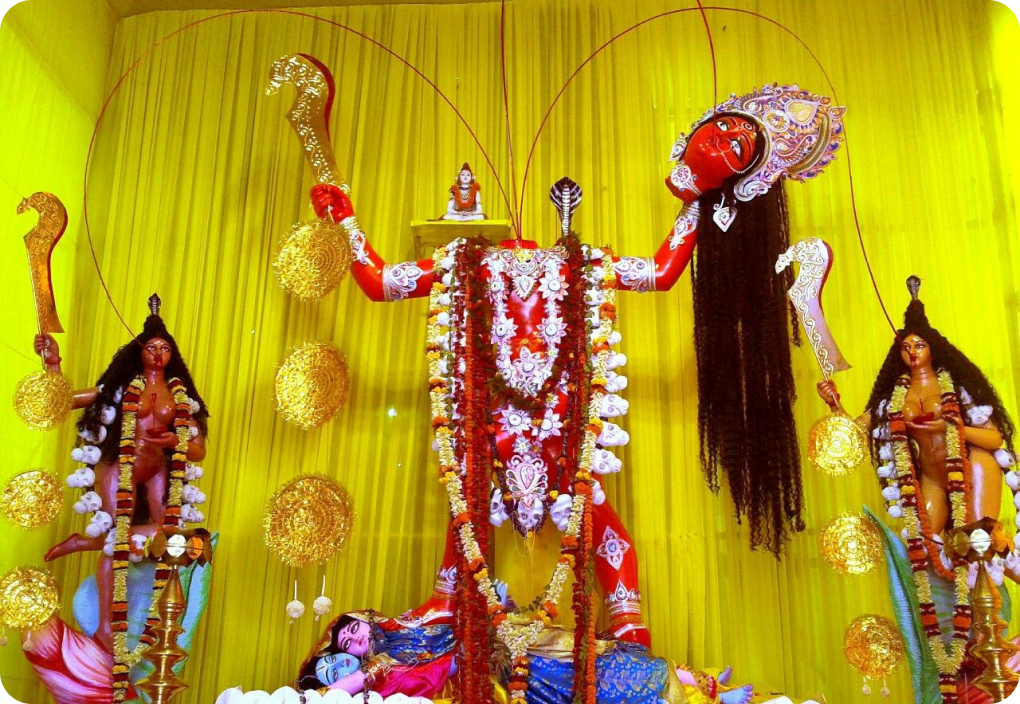
Temples Commemorating “Maa ChinnaMasta Jayanti”
Maa ChinnaMasta Jayanti is celebrated with great festivities by the devotees. On this occasion, devotees decorate the temples and Temples with love and devotion. The devotees and worshippers chant mantras for worship and recite praises Of Maa ChinnaMasta in temples and Temples. In addition, temples arrange community kitchens in which poor people eat good food for free. This year, Maa ChinnaMasta Jayanti will be <br>celebrated on May 4, 2024, Thursday.
- The temple for worship Of Maa Chintpurni in Himachala Pradesh, Northern India
- The temple in Rajrappa in Jharkhand, India
- A Temple dedicated To Maa ChinnaMasta In The Maa Durga Temple Complex, Ramnagar, near Varanasi, Uttar Pradesh
- A Temple in the Changu Narayan Temple in Changunarayan Municipality of Bhaktapur District, Nepal
- A temple in Patan, Lalitpur Metropolitan City in Nepal
